

“You don’t really notice when things are right; you only notice when they go wrong.”
This quote applies perfectly to hot water systems. We often do not realize whether a system is functioning optimally until a malfunction occurs. By the time a failure is detected, it is often too late. In the hotel industry, this inevitably leads to guest dissatisfaction, negative reviews, and the need for financial compensation—situations every hotel seeks to avoid, regardless of the system involved.
Hot water is a fundamental comfort that guests experience directly, much like a cool air-conditioned room or a soft bed—often more so than the room’s decor or other amenities. Many travelers have likely encountered issues such as water taking too long to heat up, fluctuating temperatures, or the water suddenly turning cold during use. These recurring problems are a significant source of frustration and complexity for hotel management.
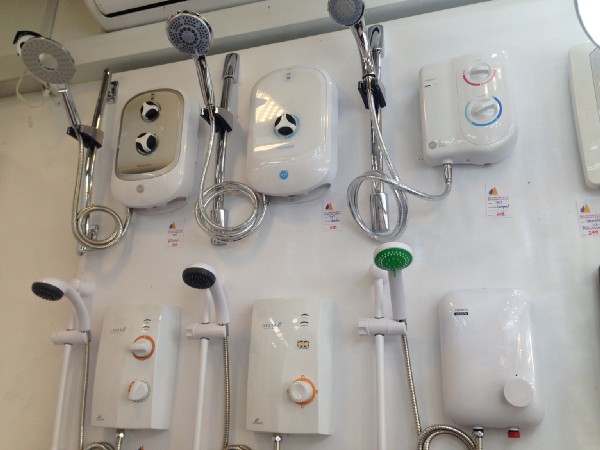
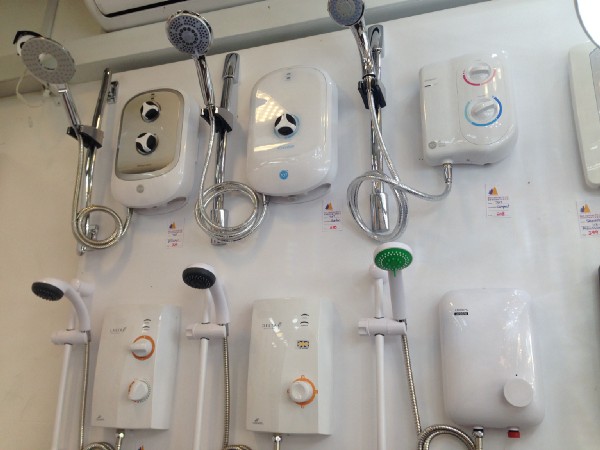
With over 15 years of experience working with hotels ranging from budget-friendly to luxury establishments, I have observed that hot water systems are often overlooked during the investment phase. For instance, some hotels approach their opening date without having finalized their hot water solution, often resorting to installing basic wall-mounted electric heaters as a quick fix.
Whether it is a small-scale system like an instantaneous electric heater, a boiler, or a large-scale centralized system, several factors can lead to failure. These include poor initial design, the use of low-efficiency equipment, heavy operational loads, and a lack of proper maintenance. These factors are fundamental to the performance of any utility system, not just hot water.
Regardless of the cause, the direct impact on the hotel is guest dissatisfaction, which leads to room discounts, vouchers, or the logistical challenge of relocating guests. If a centralized hot water system fails, relocating guests becomes impossible as the entire building is affected. Ultimately, this results in significant financial loss.
While guests are generally unaware of the technicalities of a hot water system, the engineering department and hotel technicians are well-acquainted with its operation. Typically, if no issues are reported, the responsible staff may not conduct thorough inspections unless the hotel has a robust preventative maintenance plan in place.
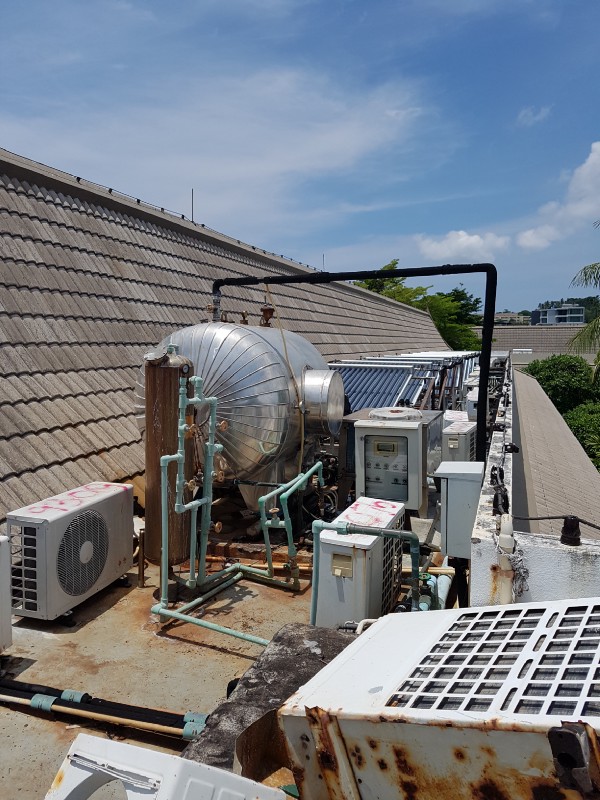
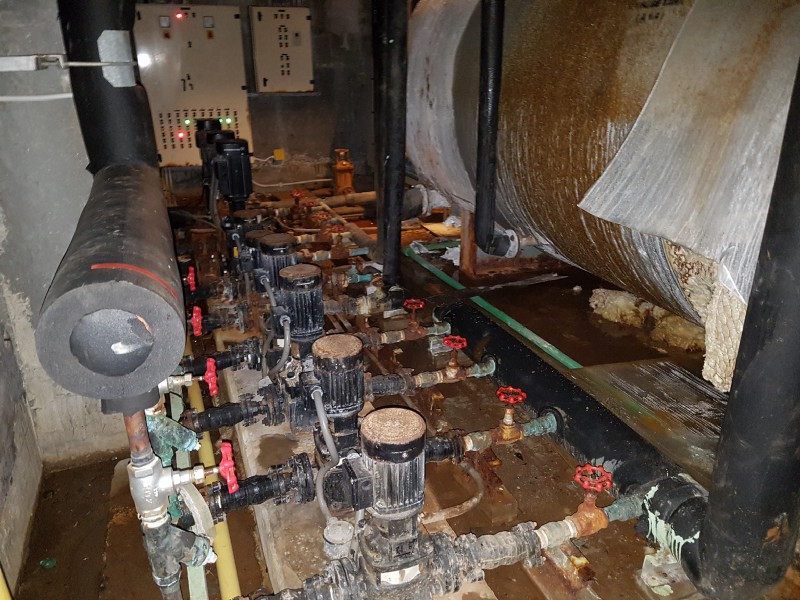
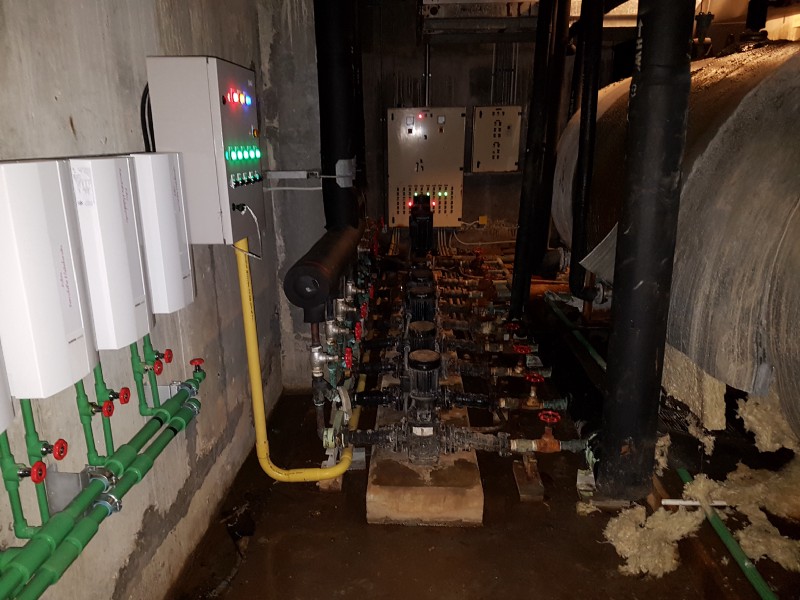
When a system fails while the hotel is fully operational, technicians are forced to perform immediate repairs or install supplementary electric heaters as a temporary measure. These stop-gap solutions often lead to a cycle of frequent replacements and unavoidable increases in electricity costs. In some cases, backup heaters are left running continuously to ensure availability, resulting in massive energy waste. This is particularly common with centralized systems located on rooftops or in basements, where monitoring and maintenance are more challenging.
In summary, a lack of hot water can lead to substantial costs for a hotel, not to mention the negative guest reviews on various websites that can damage the hotel’s reputation and future business.
Data source: https://medium.com/@apichat.poomee/