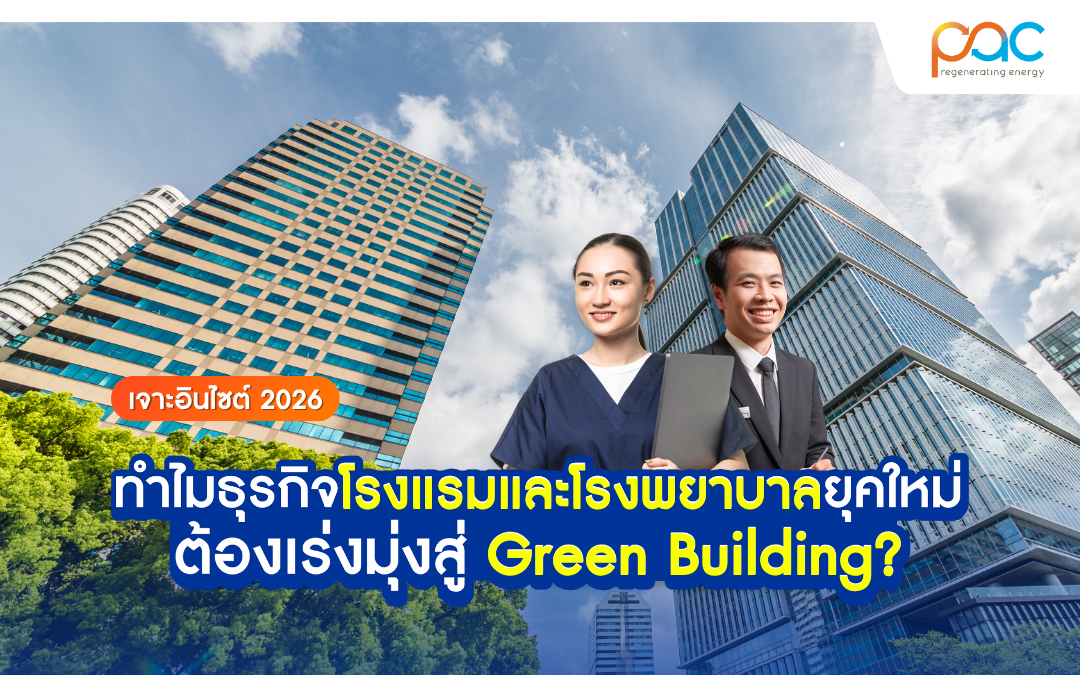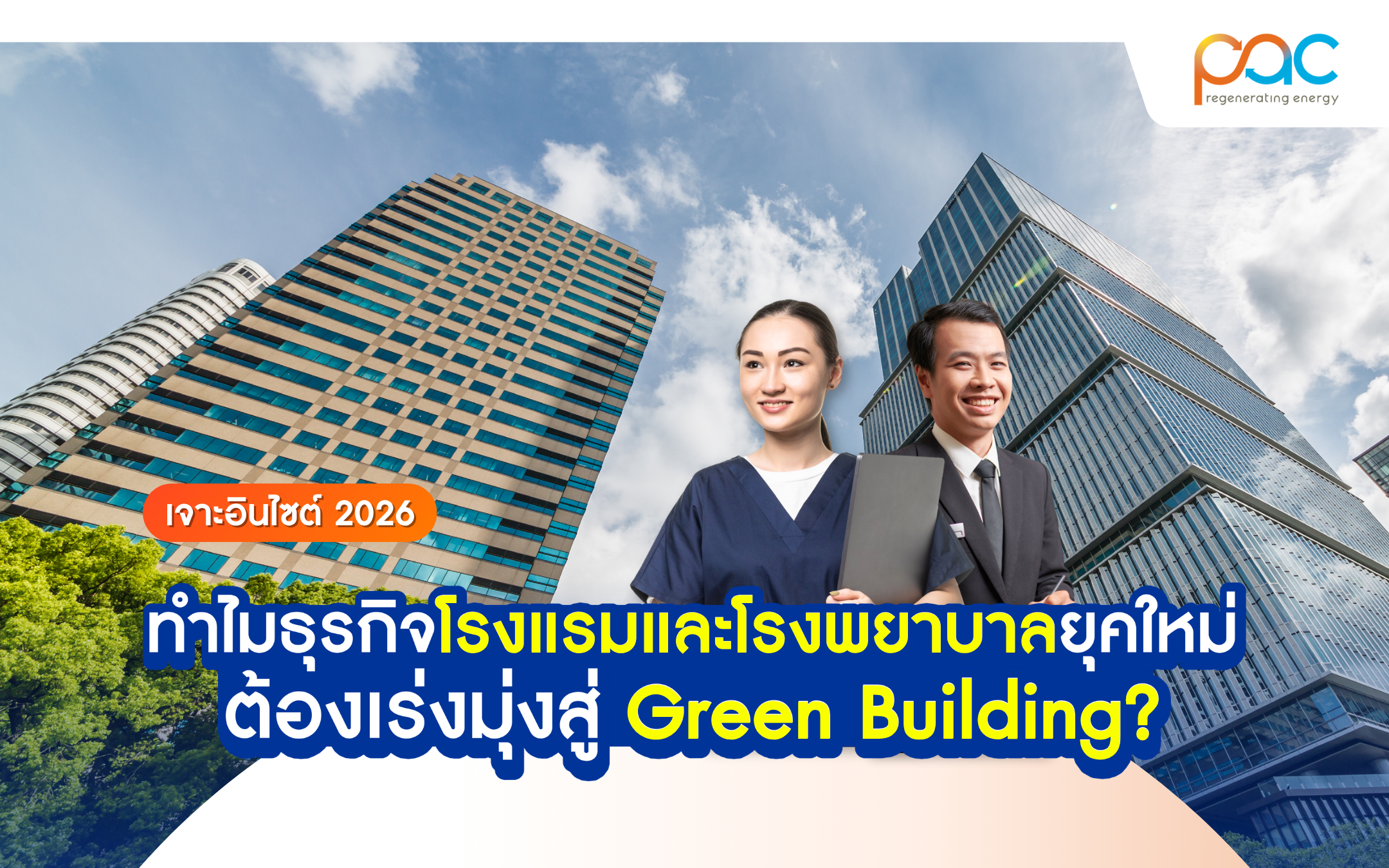


Currently, the term “Green Building” has become a cornerstone for modern hotel and hospital operations to meet both cost-reduction goals and increasingly stringent environmental regulations. By 2026, Green Building will no longer be just an “image-enhancing option” but a vital strategy for risk management and building sustainability for today’s hospitality and healthcare businesses.
ㅤ
What is a Green Building?
A Green Building, designed for sustainability and environmental friendliness, is a structure that is planned, constructed, and managed with a focus on maximum resource efficiency and minimizing negative environmental impacts throughout its lifecycle. Key components include:
– Energy Efficiency: Utilizing technology to reduce electricity and water consumption, including the integration of renewable energy for maximum benefit.
– Well-being: Designing ventilation and temperature control systems that promote good health, which is a crucial element for hospital patients and hotel guests seeking a superior service experience.
– Environmental Impact: Systematic waste management and reduction of greenhouse gas emissions.
Internationally, these buildings are often certified by standards such as LEED (Leadership in Energy and Environmental Design) or, in Thailand, TREES (Thai’s Rating of Energy and Environmental Sustainability), which serve as global benchmarks for business success in the dimension of sustainability.
ㅤ
Energy Costs and the Challenges Facing Hotels and Hospitals
For businesses operating 24 hours a day, such as hotels and hospitals, electricity is one of the highest fixed costs. Statistical data indicates that over 60-70% of energy consumption in large buildings is typically spent on air conditioning and water heating systems. Without smart and efficient management, a massive amount of energy is released into the atmosphere as “waste heat,” becoming an unrecognized loss of energy.
ㅤ
3 Corporate Risks for Hotels and Hospitals That Fail to Adapt
1. Financial Risk: Fluctuating electricity burdens and the upward trend of the FT (Fuel Tariffs) not only increase operational costs but can also directly impact the net profit margins of the business.
2. Regulatory Risk: Carbon footprint measures in 2026 are becoming increasingly intensive. Businesses that fail to adapt may lose out on tax incentives or fail to meet the standard criteria set by international partners.
3. Competitive Risk: Modern consumers prioritize businesses that care for the environment. If a business cannot reflect a Green Building image, it may lose market share to competitors who better highlight their sustainability selling points.
ㅤ
Success Stories in Energy Management for Hotels and Hospitals
Hotels Turning Waste Heat into Profit
Many hotel projects have begun transitioning from electric heaters or traditional water heaters to systems that recover waste heat from air conditioning. The result is that hotels can produce hot water for use with virtually no additional electricity costs, increasing net profit and achieving a return on investment in a short period.
Hospitals and International Sustainability Standards
Modern hospitals aiming for Green Building status have integrated air management systems that reduce pathogen accumulation while simultaneously lowering energy consumption. Implementing internationally certified innovations not only saves costs but also builds confidence in safety and well-being for patients.
ㅤ
Conclusion: Sustainability in Hotels and Hospitals is the True Profit
Moving toward Green Building in 2026 is not just an environmental mission, but the foundation of a strong economic future for the organization. Implementing innovations to improve efficiency and utilizing resources mindfully are the core drivers that will enable businesses to grow steadily amidst change.
ㅤ
Step into Green Building Standards with PAC
PAC is a leader in innovations that reduce costs and enhance renewable energy efficiency for sustainable hotel and hospital businesses. Design an energy-saving system tailored to your building. Consult our engineering team Click